

 English
 中文简体
中文简体Content
Yes, rattan can get wet, but the answer only becomes useful once you know which "rattan" you actually own. Natural rattan, harvested from the climbing palm vine, absorbs water readily and will swell, stain, and eventually rot if it stays wet. The synthetic rattan used in most modern outdoor furniture is polyethylene (PE) resin woven over a metal frame. It is an engineered material built to handle rain, humidity, and direct sun for years.
The confusion is understandable. Both materials share the same woven look, and both are sold under the name "rattan." In manufacturing terms, however, the difference between a natural fiber and a plastic extrusion decides whether your furniture survives a wet season or ends up in the trash.
Natural Rattan vs. Synthetic Rattan: What the Names Actually Mean
Natural rattan is the outer skin and core of a tropical vine. It is strong for its weight, which is why traditional furniture makers have used it for generations. But it is also porous. When water hits natural rattan, the fibers act like straws, pulling moisture into the structure. Over the following days, that moisture causes the weave to swell, the joints to loosen, and mold to establish itself in the crevices.
Synthetic rattan is extruded PE resin, usually formed into flat strips that are woven around a frame. PE resin does not absorb water; rain beads on it and runs off. Mold cannot feed on it, because mold needs organic material. What synthetic rattan does do is pass water through gaps in the weave to whatever sits underneath, which is why the frame and the cushions are the real things to watch.
One more distinction worth knowing: wicker is a weaving style, not a material. A wicker chair can be made of rattan, willow, bamboo, or PE resin. So when someone asks "can wicker get wet?" they are really asking about the material the wicker is made from. When shopping, check the product description for the words "PE" or "resin" rather than assuming the word "wicker" tells you anything about water resistance.
| Property | Natural Rattan | Synthetic PE Rattan |
|---|---|---|
| Water absorption | High | Very low |
| Mold risk | High | Low |
| UV resistance | Moderate | High when UV-stabilized |
| Best use | Indoor or sheltered | Outdoor rain and sun |
| Outdoor lifespan | 1 to 3 seasons | 5 to 10+ years |
What Actually Happens When Rattan Furniture Gets Wet
The failure sequence explains why two visually identical "rattan" sets can have very different fates in the same rainstorm.
Natural Rattan
The surface skin swells and separates from the core. The weave loosens, creating visible gaps. Mildew appears as gray or black speckles within 48 hours in warm, damp conditions. If the piece has a lacquer finish, water works its way under cracks in the lacquer and turns it cloudy. Prolonged exposure rots the core itself, and that damage is irreversible.
Synthetic Rattan
The weave is rarely the problem. The damage comes from below. If the frame is mild steel or untreated iron, water that drains through the weave rusts it from the inside out. Rust expands and pushes against the weave, creating bulges and eventually splitting strands. Cushions are the other vulnerable point. A foam cushion wrapped in non-waterproof fabric can hold liters of water, develop a sour odor within days, and become a breeding ground for mildew.
This is why manufacturers tell buyers to evaluate a rattan set by its frame and cushions, not by the weave. A synthetic rattan sofa with a powder-coated aluminum frame and quick-dry cushions is a genuine outdoor product. The same weave on an uncoated steel frame is only a fair-weather product.
Can Synthetic Rattan Stay Outside in the Rain?
The short answer is yes, provided two conditions are met: the frame is corrosion-resistant, and the cushions are either made for rain or removable.
No serious manufacturer calls synthetic rattan "waterproof" in the sense that you can submerge it. It is water-resistant. Rain runs off the weave, gravity pulls the rest through the gaps, and the frame absorbs the real exposure. That is the design logic of all PE-rattan outdoor furniture. The weave sheds water, the frame fights corrosion, and the cushions get dried or stowed.
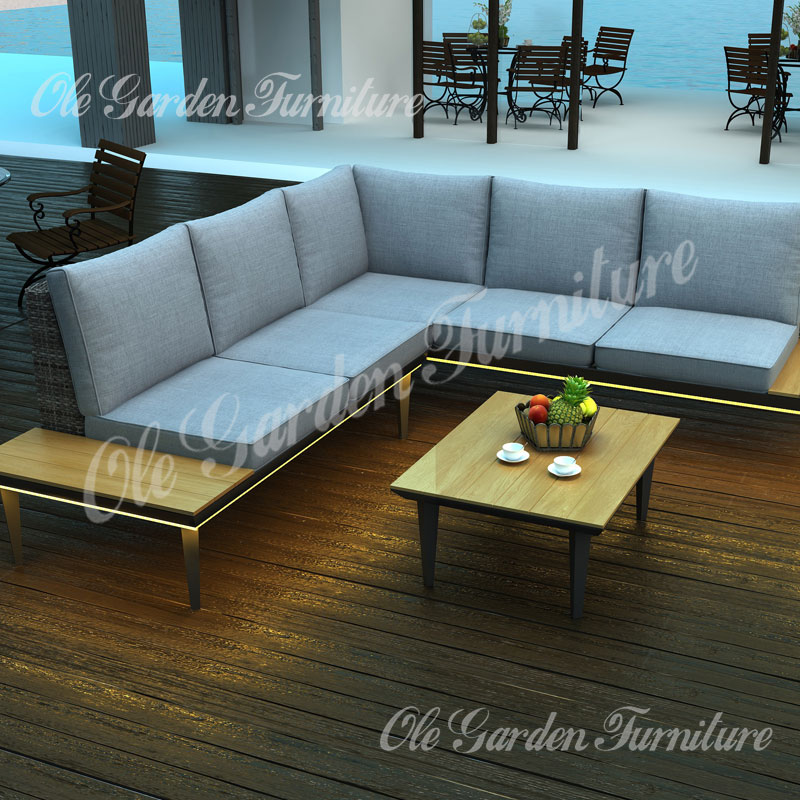 ALSET 3146 VIVIENNE 3-Piece Woven Rattan Outdoor Sofa SetThis three-piece set pairs a modular L-shaped sofa with a dining table, using a powder-coated aluminum frame that resists rust and moisture. Its water-resistant PE rattan weave and high-density foam cushions make it a practical choice for rainy or coastal outdoor settings.View Product →
As an example, the woven rattan sofa sets we manufacture place the PE weave over a powder-coated aluminum frame. Aluminum does not rust, and the coating adds scratch and chip resistance. When rain drains through the weave, it meets a frame that tolerates moisture season after season. That combination of synthetic weave and aluminum frame is what makes rattan furniture acceptable to leave outside in rainy climates.
What you should not leave out is the cushions. Even quick-dry cushion covers wick moisture into the foam if they sit in standing water for hours. Store cushions upright or indoors when heavy rain is expected, and cover or tilt anything with a flat surface so water does not pool.
What to Do If Your Rattan Furniture Got Soaked
If the piece is natural rattan, act within the first day or two.
- Move it out of direct sun. Drying natural rattan too fast makes it brittle and shrinks the fibers.
- Towel off visible standing water.
- Run a dehumidifier or fan nearby to draw the moisture out slowly. Gentle drying beats fast sun drying.
- If mold appears, scrub with a soft brush and mild dish soap diluted in warm water, then dry slowly. Bleach removes stains but lightens the natural color and breaks down the fiber's oils.
If the piece is synthetic rattan, the job is simpler.
- Rinse off mud and pollen with a garden hose.
- Scrub the weave with a soft brush and mild soapy water.
- Rinse again and let it drain in place, because the weave is designed to drain.
- Check the frame, especially the feet and welds, for surface rust. If you spot rust on a powder-coated frame, clean the area, apply a rust inhibitor, and touch it up with matching paint.
For cushions, remove the zippered covers and wash them if the care label allows. Dry the foam separately, propping it on its side so water escapes. Never put wet foam in a dryer; the heat breaks down the structure.
For the long term, treat rattan furniture like any outdoor investment. Inspect it monthly, clear debris from between the weave strands, and follow the same care routines you would apply to outdoor lounge chairs. A protectant spray with UV blockers, applied once a year, is a reasonable addition if the manufacturer recommends it.
Choosing Rattan Furniture for Wet or Humid Climates
Buyers in rainy or coastal areas should treat the visible weave as only one factor in the purchase. The checklist below is what we apply when evaluating a piece for our own catalogues.
- Frame: powder-coated aluminum over steel. If the spec sheet says "steel" without "galvanized" or "powder-coated," ask how the frame performs in salt-spray tests.
- Weave: UV-stabilized virgin PE. Recycled PE works but fades faster and can turn brittle in cold weather.
- Cushions: quick-dry fabric with a zippered, washable cover.
- Drainage: a slightly open weave drains faster than a tight basket weave, which holds water in the corners.
- Overhead protection: even the best synthetic rattan lasts longer under cover.
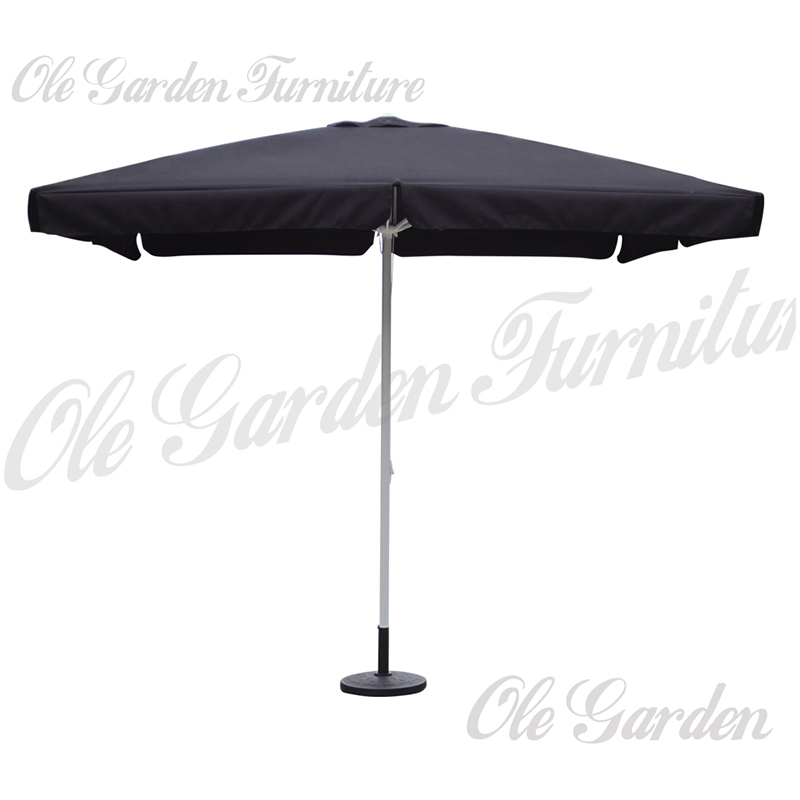 GMB-13 Waterproof Outdoor Patio UmbrellaDesigned to shield patio furniture from rain and UV exposure, this umbrella features waterproof fabric, an adjustable canopy height, and a sturdy base for stability. It is a useful addition for wet climates, helping to extend the life of outdoor seating sets.View Product →
A waterproof patio umbrella or a pergola cuts the amount of rain that reaches the furniture and protects the weave from UV damage at the same time. That is not optional in very wet climates; it is the difference between a set that needs yearly attention and one that simply works.
The same reasoning applies across the outdoor furniture range. A well-built set with the right frame is the difference between furniture that still looks new after five rainy seasons and furniture that develops rust stains and sagging cushions after one.
So, can rattan get wet? Only one kind should. Natural rattan belongs indoors or in sheltered spaces. Synthetic PE rattan, built over a rust-resistant frame, is designed for rain, humidity, and direct sun. Before you buy, ask what is under the weave. Before you leave a set out for the season, separate the weave question from the frame and cushion questions. Do that, and you get the classic rattan look along with the durability that outdoor living actually demands.