

 English
 中文简体
中文简体Content
You are looking at a woven patio sofa that looks like natural rattan, but your outdoor area faces full afternoon sun and sudden rainstorms. Before you commit, you need to answer one practical question: can rattan be used outdoors without an unreasonable maintenance burden? The direct answer is yes, but the material choice is what makes the difference, and the wrong choice will show up within the first two seasons.
Why the difference between natural and synthetic rattan matters
Rattan is actually two different products under one name. Natural rattan is a vine that grows in tropical forests and is peeled, then woven into furniture. It has a warm, organic texture that looks beautiful in living rooms and covered porches. Synthetic rattan, also called PE rattan, is manufactured from polyethylene strands woven over a metal frame. This is the material that opened the door to outdoor use.
When manufacturers in China talk about outdoor rattan furniture, they almost always mean PE rattan. The fibers are UV-stabilized, the weave is moisture-resistant, and the frame underneath is typically aluminum or powder-coated steel. That combination is what lets the furniture live in a garden or on a terrace all year round.
Choosing the wrong one has concrete consequences. Natural rattan absorbs rainfall, swells, and can develop mold inside the weave. Synthetic rattan sheds water and dries quickly. The comparison below shows how each behaves.
| Property | Natural rattan | Synthetic rattan |
|---|---|---|
| Water resistance | Low; absorbs moisture, may swell or mold | High; water-repellent, dries quickly |
| UV resistance | Poor; fades and cracks in direct sun | Good; UV-stabilized fibers resist fading |
| Best location | Covered patios, porches, sunrooms | Open patios and fully exposed areas |
| Typical lifespan outdoors | 3-7 years with careful protection | 8-15 years depending on weave quality |
| Maintenance burden | High; sealing, oiling, and storage needed | Low; regular washing is usually enough |
What exposure to sun, rain, and frost actually does
Outdoor exposure is not one event. It is a combination of ultraviolet radiation, precipitation, temperature swings, and wind. Each factor attacks rattan furniture differently.
Ultraviolet radiation
Direct sunlight breaks down the natural binders in plant-based rattan. The color fades from warm tan to pale gray, and the fibers become brittle enough to crack. Synthetic rattan is made from polyethylene, which handles UV far better. High-quality PE rattan includes UV inhibitors in the resin, so the weave keeps its color and flexibility for years.
Rain and humidity
Natural rattan is hygroscopic: it absorbs water from the air and directly from rain. In humid climates, the strands swell and loosen, which can cause the weave to fail. Synthetic rattan has a closed molecular structure that does not soak up water. A heavy rainstorm leaves surface droplets that you can wipe off, and the weave underneath stays dry.
Temperature swings and frost
Frost is a serious threat to natural rattan. When moisture freezes inside the fibers, it expands and can split them from the inside. Synthetic rattan stays flexible down to freezing temperatures. The frame underneath the weave also matters here. Aluminum frames will not rust, but unprotected iron will show corrosion within a few years, even if the weave itself is still intact.
What to inspect before buying rattan for outdoor use
If you are sourcing outdoor rattan furniture for a patio collection, the material label alone is not enough. A few physical details will tell you whether the furniture can survive your climate.
The frame beneath the weave
Turn the piece over and check the frame. Powder-coated aluminum is the safest choice for coastal or wet areas because it will not rust. Powder-coated steel is heavier and often cheaper, but you need to inspect the coating for scratches that could expose the metal to moisture. If the frame is iron without proper protection, the corrosion will begin around the feet and under the seat where water pools.
Weave density and finish
Run your fingers along the strands. A tight, even weave resists dirt and water better than loose gaps. The surface should feel smooth, not rough or brittle. Some manufacturers apply a matte or textured finish that mimics the look of natural rattan, which is a good sign that the product was designed with outdoor aesthetics in mind.
Cushions and fabrics
The cushion fabric is just as important as the weave. Look for water-repellent polyester or acrylic with a zippered cover. This means you can remove the cover and wash it when food spills or pollen accumulates. High-density foam dries faster than low-density alternatives and will not lose its shape after a wet season.
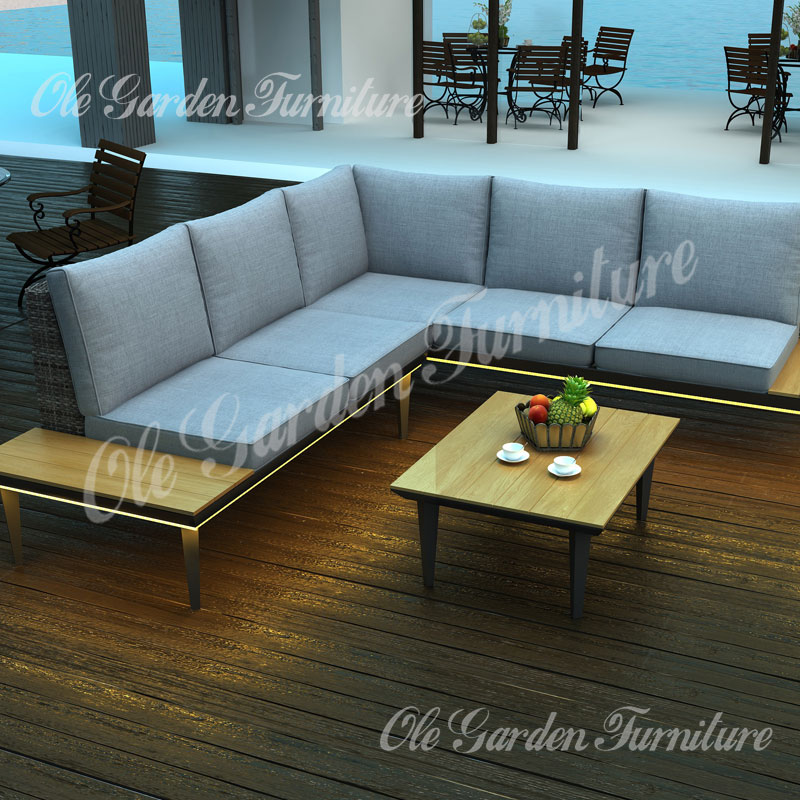 ALSET 3146 VIVIENNE Outdoor Sofa Set with Rattan Backrest and Dining TableThis three-piece set includes a modular L-shaped sofa and dining table, featuring a corrosion-resistant frame and high-density foam cushions with water-repellent, breathable fabric for lasting comfort and easy cleaning.View Product →
Where you place it matters as much as what you buy
Even the best synthetic rattan will perform differently depending on the location. The same sofa set can last ten years on a covered terrace and show noticeable fading after three years on an open deck.
Open patios and fully exposed areas
If the furniture will sit under direct sun and rain, synthetic rattan is the only reasonable option. You can extend its life by adding a pergola or an awning above the section. The structure will block the harshest midday sun and reduce the amount of rain that reaches the seat cushions. Many buyers in this situation decide to integrate a louvered pergola into the patio plan, so the furniture stays protected without losing open-air feel.
Covered terraces and sunrooms
Under a roof, natural rattan can work, but it still needs regular attention. You should keep it away from walls where condensation builds and allow airflow around the frame. A covered space also reduces the need for heavy winter protection because the furniture is not exposed to snow and ice directly.
Coastal and high-humidity climates
Salt air accelerates corrosion and can pit aluminum over time. If you are buying for a coastal property, choose furniture with a thick powder coating and use a protective cover during storms. Rinse the furniture with fresh water occasionally to remove salt residue.
Cold winter climates
Frost can damage even synthetic rattan at the microscopic level. The safest practice is to move the furniture under a covered structure or bring the cushions indoors. A breathable cover prevents condensation while protecting the weave from snow and ice.
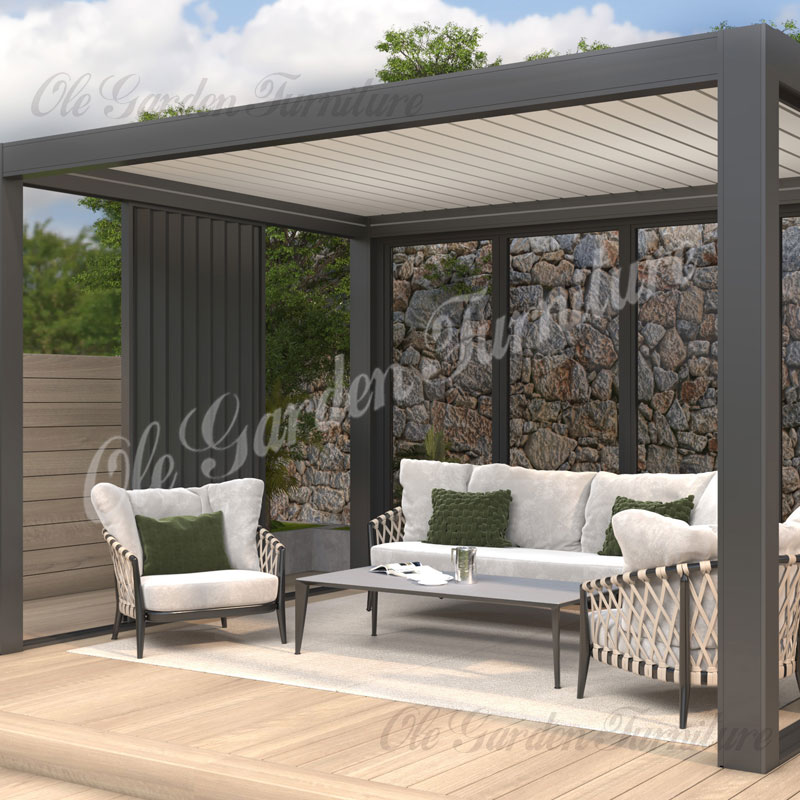 LUCAS GOL-44110 Electric Louvered All-Weather PergolaThis pergola features an adjustable electric louver system for controlling sunlight and airflow, built with weather-resistant materials to withstand frost and other harsh conditions, providing reliable year-round outdoor shelter.View Product →
Practical maintenance that keeps rattan looking new
Maintenance does not take much time, but it has to be consistent. The following habits will prevent the most common damage.
- Wash the weave every two to four weeks with a soft brush, mild soap, and lukewarm water. Rinse thoroughly and let it dry in the shade.
- Use a mild bleach solution only if you see mold or mildew. Test it on a hidden spot first, and rinse well afterward.
- Keep cushions dry. Wet foam can grow mold inside the zippered cover, so stand cushions on their edge to drain after a rainstorm.
- Remove leaves, seeds, and debris from the weave. Organic material holds moisture and can stain the strands.
For winter, the decision depends on your location. In mild climates, you can leave the furniture outside with a waterproof cover. In cold climates, dry storage is the better option. A dedicated storage box or a dry part of the garage will keep the cushions and small accessories safe.
If you want to go deeper into seasonal care, this outdoor lounge chair care guide covers similar upkeep habits for other kinds of patio seating.
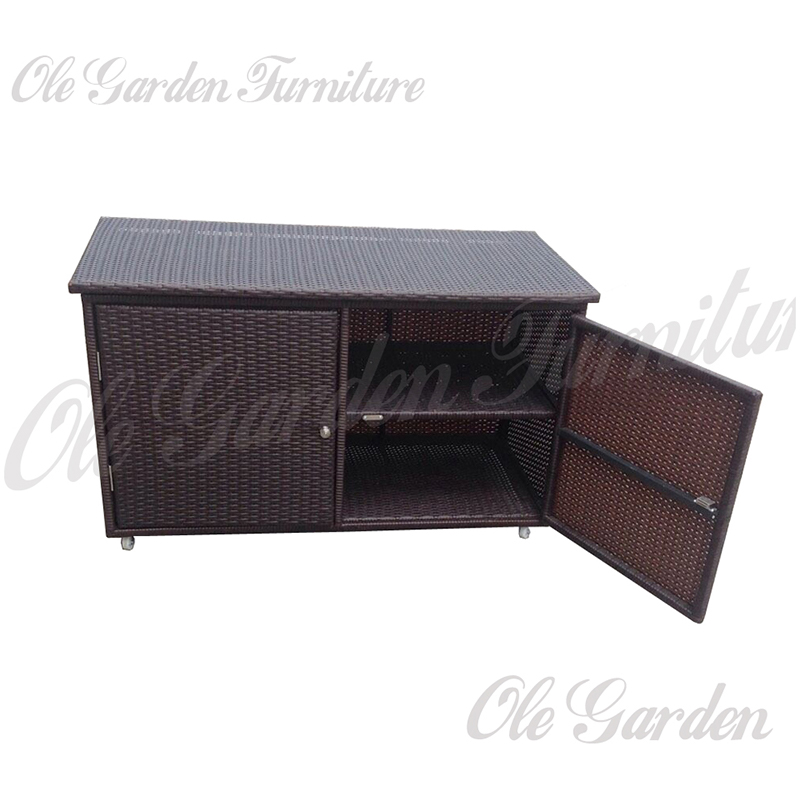 YL-820 Outdoor Patio Storage Container Box with Versatile TopA compact and sturdy storage container with a weight-bearing top that doubles as a seat or small table, easy to move and ideal for small outdoor spaces like balconies and poolside areas.View Product →