

 English
 中文简体
中文简体Content
Cleaning outdoor cushions is not a cosmetic afterthought. It is the quickest way to protect the fabric, foam, and overall structure of your outdoor seating investment. The right routine removes dirt before it embeds, kills mold before it spreads, and keeps the cushion water-repellent for a longer service life. The process starts with one decision: use a cleaning agent that matches the type of stain, and never let a cushion go back onto the furniture before it is completely dry.
Why Cleaning Outdoor Cushions Matters
Outdoor cushions face a different set of pressures than indoor cushions. UV light breaks down the molecular structure of polyester and acrylic fibers, leading to fading and loss of tensile strength. Rain and humidity carry moisture into the foam, which over time softens the polyurethane and creates a habitat for mold and mildew. Pollen, bird droppings, dust, and skin oils form a film on the fabric surface that gradually becomes sticky and traps more dirt.
When a cushion is cleaned on a regular cycle, these pressures are interrupted. Mild soap lifts the dirt film, vinegar or peroxide kills mold spores, and a fabric protector creates a barrier that repels water. If cleaning is postponed until the cushion looks stained, the embedded dirt has already been ground into the weave by people sitting on it, and foam that has been wet through may never fully recover.
For commercial operations, the stakes are directly visible to customers. A patio with clean, fresh cushions feels like a facility that is regularly maintained. A set with gray, mildewed cushions undermines the entire seating arrangement. This is why we build removable covers and replaceable cushion inserts into many of our outdoor sofa sets and lounge chairs, so that cleaning and replacement stay manageable over the product's life.
What You Need Before You Start
Most of the supplies on this list are already in your kitchen or garage. The two items you may need to buy are a soft-bristle brush and a fabric protector spray. The table below shows the supplies we recommend, the problems they solve, and how to use them.
| Supply | Purpose | How to Use |
|---|---|---|
| Mild dish soap | Removes general dirt and dust | Mix 1/2 cup with 1 gallon of warm water |
| White vinegar | Treats mold and mildew | Mix 1 cup with 1 gallon of water, spray, wait 15 minutes |
| Baking soda | Absorbs oil stains and odors | Sprinkle directly, let sit 15-20 minutes, brush off |
| 3% hydrogen peroxide | Deep mold removal | Dab on stain with a cloth, wipe after bubbling |
| Soft-bristle brush | Agitates fabric without scraping | Scrub in the direction of the weave |
| Garden hose | Rinses away soap and dirt | Use a wide fan spray, avoid concentrated jet |
| White towels | Blots excess water | Press gently, do not wring or twist |
| Fabric protector spray | Adds water repellency after cleaning | Apply to fully dry fabric |
Always test a cleaning solution on a hidden part of the cushion first. This is especially important for hydrogen peroxide and commercial mold removers. Different fabric types have different sensitivities, and a patch test on the underneath side prevents an expensive mistake. The same applies to machine-washing covers. Many outdoor cushions come with removable covers, but not all covers are suitable for a washing machine.
Cleaning Methods by Stain Type
Using the same cleaner for every stain is common but ineffective. A cleaner designed for general dirt will not lift oil, and an oil remover will not kill mold. Selecting the right method makes the difference between a cushion that looks restored and one that is damaged.
General Dirt and Dust
The most frequent issue is a thin layer of airborne dust, pollen, and soil. The fabric looks dull and feels gritty. A combination of 1/2 cup of dish soap and 1 gallon of warm water works well. Dip a soft brush into the solution, scrub the cushion in concentric circles, and then rinse with a garden hose. Use a wide fan nozzle so the water rinses the fabric without forcing dirt into the seams. Repeat the rinse until no soap foam remains.
Mold and Mildew
Mold and mildew are the hardest problems to deal with because they affect both appearance and structure. Black or green patches and a musty smell indicate the presence of spores. White vinegar is an effective first step. Mix 1 cup of vinegar with 1 gallon of warm water, spray the affected area, and allow it to work for 15 minutes before scrubbing. For deeper stains, apply 3% hydrogen peroxide directly with a cloth. The bubbling action indicates the peroxide is breaking down the spores. After cleaning, place the cushion in sunlight to dry, because UV light kills remaining mold. If the mold has penetrated through the foam, cleaning the cover alone is not enough; the foam may need to be replaced.
Oil and Grease Stains
Oil stains from skin contact, sun care products, or cooking fat do not dissolve in water. Baking soda is the simplest home remedy. Cover the stain with baking soda and let it sit for 15 to 20 minutes to draw out the oil. Brush the powder away, then apply dish soap to the remaining residue. Work the soap into the fabric with the soft brush, then rinse thoroughly. For stubborn oil on performance fabrics, check the care instructions from the fabric manufacturer before using any other solvent.
Step-by-Step Cleaning Process
- Remove loose items from the pockets and shake off surface dust.
- Unzip and remove the cushion cover if it is detachable. This is common on sofas and lounge chairs designed with cleaning in mind.
- Brush the full cushion with a soft brush to lift dry dirt before applying any liquid.
- Apply the cleaning solution that matches the stain type.
- Scrub with the soft brush, working in the weave direction to avoid stretching.
- Rinse completely with a garden hose. Soap residue left in the fabric will attract dirt faster.
- Press with a white towel to squeeze out water. Never twist or wring the cushion.
- Air dry fully, flipping the cushion halfway through.
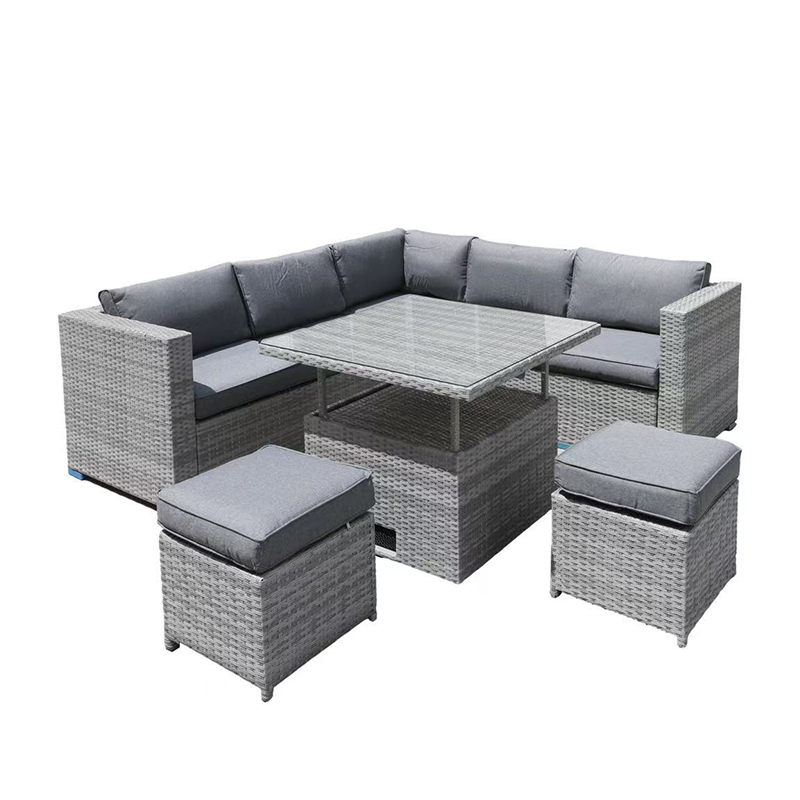 YL-181 5-Piece Iron Sofa Set with Lift-Top Coffee TableThis durable iron sofa set resists moisture and UV, making it ideal for outdoor use. Its lift-top table adapts to dining or lounging, and replacing cushions is straightforward—perfect for maintaining a fresh patio.View Product →
Drying and Storing Cushions
The most common mistake in cushion care is putting cushions back on the furniture before they are dry to the touch inside. The fabric surface can feel dry within hours, while the foam still holds moisture for a day or longer. This trapped moisture creates ideal conditions for mold and can soften the foam permanently. In humid climates, allow a full day of drying in sunlight, and flip the cushion to expose both sides.
For the off-season, clean cushions first, then store them in a ventilated area. A waterproof bag works only when the cushion is completely dry. If you wrap a damp cushion in a sealed bag, you are preserving the moisture and accelerating mold growth. If your furniture stays outside all year, use a dust cover or move the cushions indoors during heavy rain. Spare cushions are available through our outdoor chair cushions line when a full replacement is necessary.
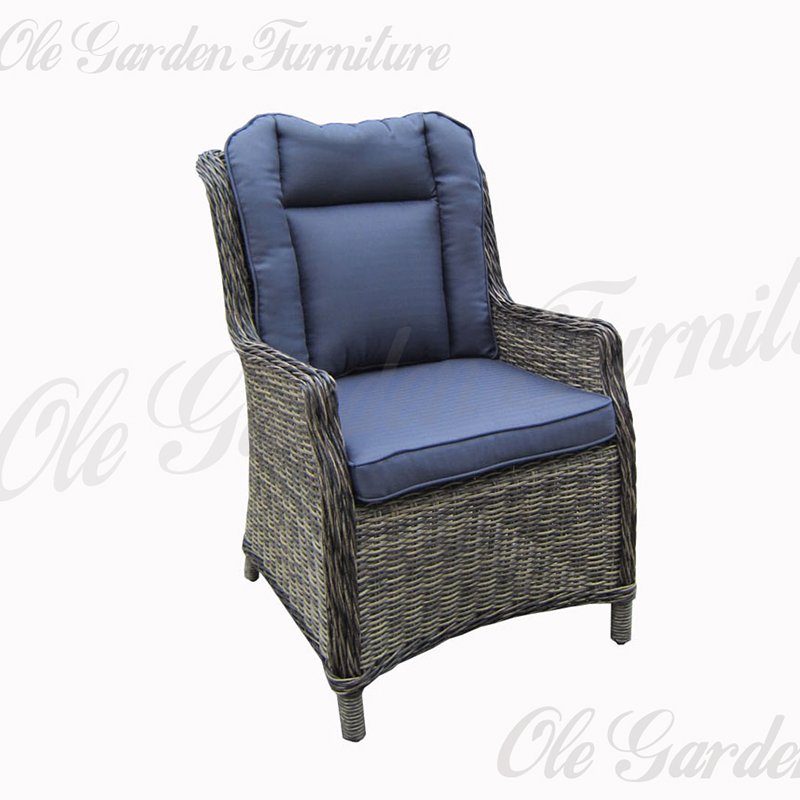
 Outdoor Chair Cushions with High-Density Foam CoreThese cushions offer resilient support and easy maintenance with removable covers. They complement your existing furniture frames, providing comfort and a simple way to refresh outdoor seating without full replacement.View Product →
Preventive Maintenance to Reduce Future Cleaning
Prevention is faster and cheaper than deep cleaning. A few minutes of care after each use is usually enough to prevent the build-up that makes cleaning difficult later.
- Brush or shake cushions after use to remove loose pollen and dust.
- Apply a fabric protector after every deep clean. It creates a surface that repels rain and keeps spills from soaking in.
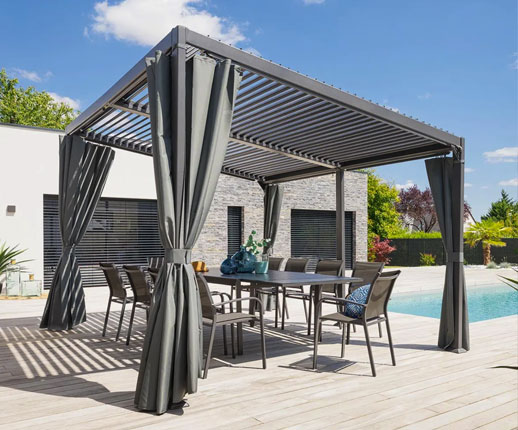
- Bring cushions indoors or cover them when heavy rain is expected. For shade, a pergola helps protect the seating area as well.
- Spot clean immediately. A fresh stain is much easier to remove than one that has set for a week.
- Store cushions vertically in the off-season so air can circulate around them.
This maintenance mindset also matters for buying decisions. A cushion with a removable cover and a water-repellent finish is easier to keep in good shape than one without those features. For guidance on selecting outdoor pieces that are built for easy care, you can read our article on outdoor lounge chair care, which covers frame and cushion maintenance together.
When to Replace Outdoor Cushions
Cleaning restores a cushion only up to a point. If the fabric has faded beyond restoration, the seams are coming apart, or the foam stays compressed after a deep cleaning, replacement is the correct decision. Foam that has been waterlogged for more than a week loses its cellular structure and cannot recover. Trying to clean a cushion with damaged foam is a waste of time and can even cause the fabric to tear during agitation.
Replacement also makes sense for outdoor lounge chairs and sofa sets when the frame is still solid but the cushion has reached the end of its life. In our experience, the cost of a replacement cushion is much lower than the cost of replacing the entire furniture unit. Our outdoor lounge chairs and sofa sets are designed with easily replaceable cushions, so the swap takes minutes and requires no special tools.
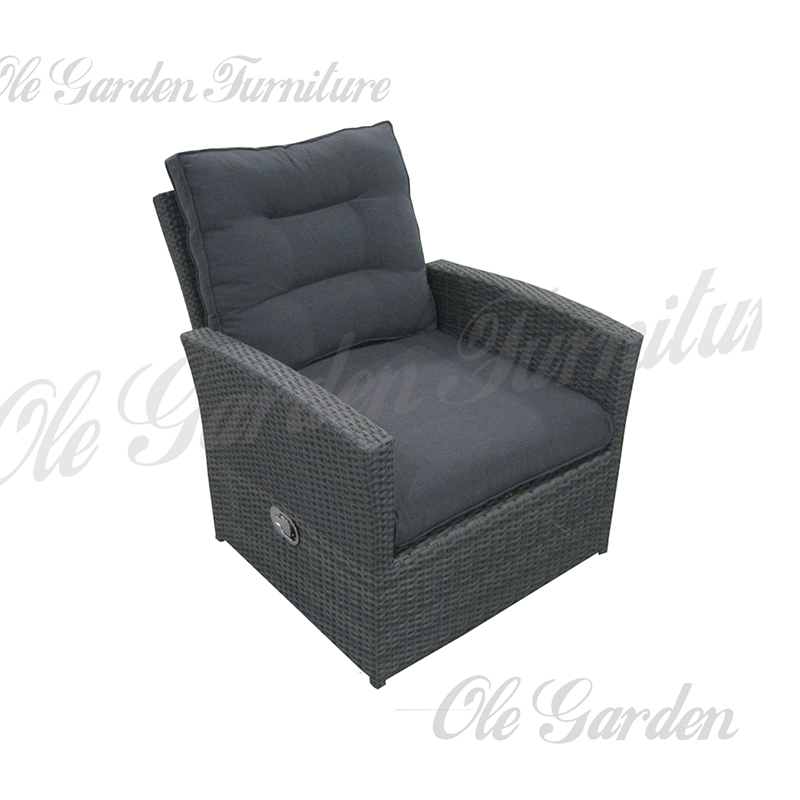
 YL-700 Outdoor Single Lounge Chair with PE RattanWith an aluminum frame and sun-resistant PE rattan, this lounge chair is built for outdoor durability. It includes 5cm cushions, and its easy cushion replacement makes it a smart choice when frames remain solid.View Product →
Cleaning outdoor cushions stops being a chore once it becomes a simple reflex: wipe off loose dust, choose the right cleaning method, rinse until the water runs clean, and dry the cushion fully before storage. The payoff is not just a better-looking patio. It is a longer-lasting cushion, a more comfortable seat, and less money spent on replacements. Add a fabric protector to the routine, and the next cleaning will take even less time.