

 English
 中文简体
Content
A patio that faces an open field, a rooftop terrace, or a garden on the coast all share the same quiet problem: wind. A gust that feels harmless can slide a chair across the deck, flip a side table, or send a parasol rolling into the hedge. After a few seasons of chasing furniture around the yard, most people stop asking which set looks best and start asking which set will simply stay where it was put.
That is exactly where heavy outdoor furniture for windy areas earns its keep. Weight is the most obvious part of the answer, but it is not the whole story. The material, the shape of the frame, the base under an umbrella, and the way cushions are stored all decide whether your seating is still standing after a stormy afternoon.
Why Wind Punishes Light Furniture
Wind rarely pushes in one steady direction. It swirls around corners, squeezes through the gap between two buildings, and creates lift under anything with a flat surface. A dining table with a thin top behaves a little like a wing, and a fabric canopy behaves like a sail. Once a piece starts to move, it rarely moves back on its own.
The exposure of the site matters as much as the wind itself. A terrace on the third floor, a garden at the end of a valley, or a balcony between two solid walls can all be far breezier than the weather forecast suggests.
- Sliding: light chairs and tables drift across smooth decking.
- Tipping: tall or narrow pieces topple when wind catches one side.
- Lifting: flat tabletops, trays and parasol canopies generate upward force.
- Rattling: repeated vibration works screws and joints loose over time.
- Flapping: untethered cushions and covers quickly become projectiles.
Which Materials Are Best Suited to Windy Spots
Material choice sets the baseline. Some materials are naturally heavy, some are strong but light, and some are perfectly stable once they are anchored or weighted down. The table below sums up how the most common options usually behave in an exposed garden.
| Material | Typical weight | Behaviour in wind | Upkeep |
|---|---|---|---|
| Cast or wrought iron | High | Very stable, resists sliding and tipping | Touch up paint to prevent rust |
| Aluminium | Low | Strong but needs anchoring or extra ballast | Easy, rust free |
| Steel tube frames with cushions | Medium to high | Stable when joints are welded and braced | Check joints and coating each season |
| Woven rattan over metal | Medium | Good when the frame underneath is substantial | Rinse the weave, keep the frame dry |
| Hardwood such as teak | Medium to high | Heavy and steady, low profile designs work best | Oil periodically |
| Stone or concrete tops | Very high | Excellent ballast, very hard to shift | Seal porous surfaces |
| Resin and thin plastic | Very low | Lightest option, blows over easily | Minimal, short outdoor lifespan |
In practice, the steadiest sets are built around iron, aluminium with generous wall thickness, or stone topped tables. Aluminium has one clear advantage: it will not rust, which makes it a sensible choice near the sea where salt spray speeds up corrosion. The trade off is that a light aluminium frame needs help staying put, usually through anchoring points or by pairing it with heavier tables and planters.
Weight Is Only Half of the Answer
Two chairs can weigh exactly the same and behave completely differently in a gust. What matters is where the weight sits and how the piece is put together.
Frame and Joints
A low, wide frame with welded joints and cross bracing resists twisting far better than a tall, narrow one held together with small bolts. Look at the wall thickness of the tubing and at how the legs meet the seat. A deep, reinforced joint tells you the piece was designed to be sat on for years, not just to look good in a photograph.
Iron sofa sets are a good illustration. A six piece iron group such as our YL312 carries enough mass in the frame itself that the cushions and covers are the only parts you need to think about before a storm. That kind of set suits a terrace catching breeze from two directions, where a lighter aluminium group would need to be tied down or carried indoors.
 YL-312 Six-Piece Iron Outdoor Sofa Set with Dining TableSix-piece iron and PE rattan outdoor set with modular sofas, backless seats, and a large dining table; substantial frame mass suits breezy terraces.View Product →
Bases, Feet and Cushions
Feet matter more than most people expect. Wide, flat foot pads spread the load and grip decking, while small glides let a chair skate across a smooth surface. On slatted wood or composite boards, a rubber pad under each leg makes a real difference to how the furniture behaves.
Cushions deserve their own plan. They are light, they catch wind, and they soak up rain. Choose covers with ties or hidden fasteners, and keep a dry, closed place to store them whenever heavy weather is forecast.
Building a Space That Can Take a Gust
Individual pieces are only part of the picture. How a patio is arranged decides how much wind actually reaches the furniture.
Fixed Shade Instead of Loose Shade
A parasol is convenient, but in a genuinely windy spot it is the most vulnerable item on the terrace. If the site is exposed, a fixed or heavily anchored structure is usually the better investment. A louvered pergola bolted to a concrete slab gives you shade and rain cover without the sail effect of a loose canopy, and adjustable louvers let you close the roof when the weather turns. Our Lucas GOL44110 electric louvered all weather outdoor pergola was designed for exactly this situation, with a motorised roof you can close from inside the house as the wind gets up.
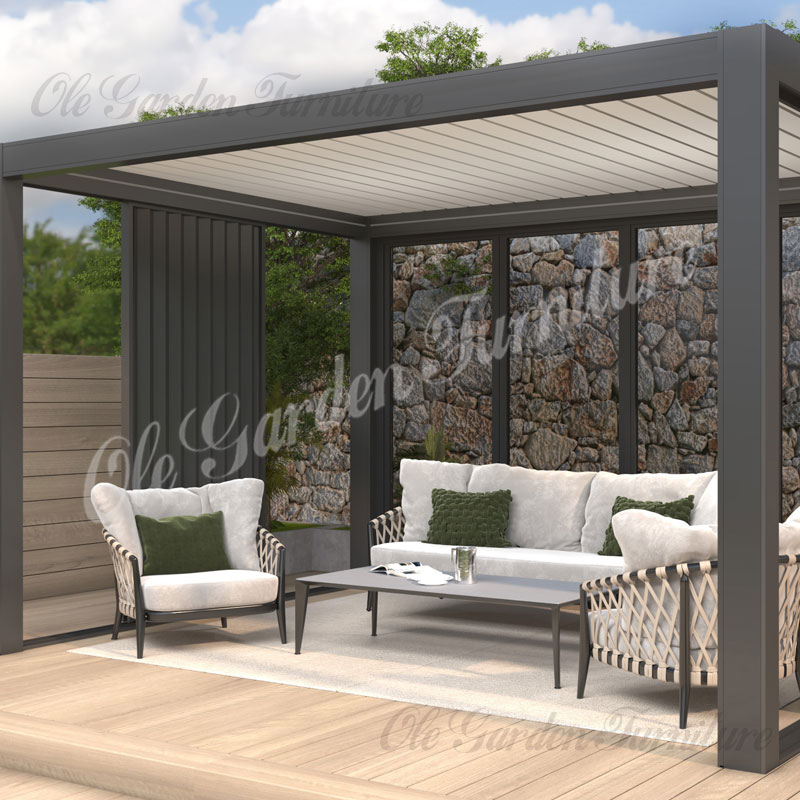 LUCAS GOL-44110 Electric Louvered All-Weather Outdoor PergolaMotorized louvered pergola with weather-resistant body and adjustable louvers for sun and airflow, suited to courtyards and terraces needing fixed shade.View Product →
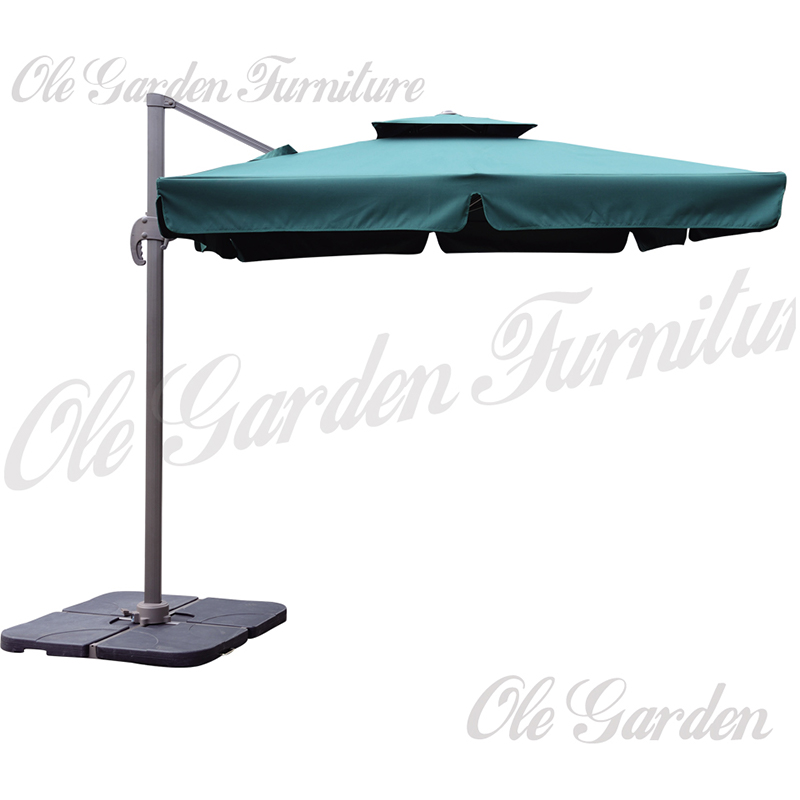
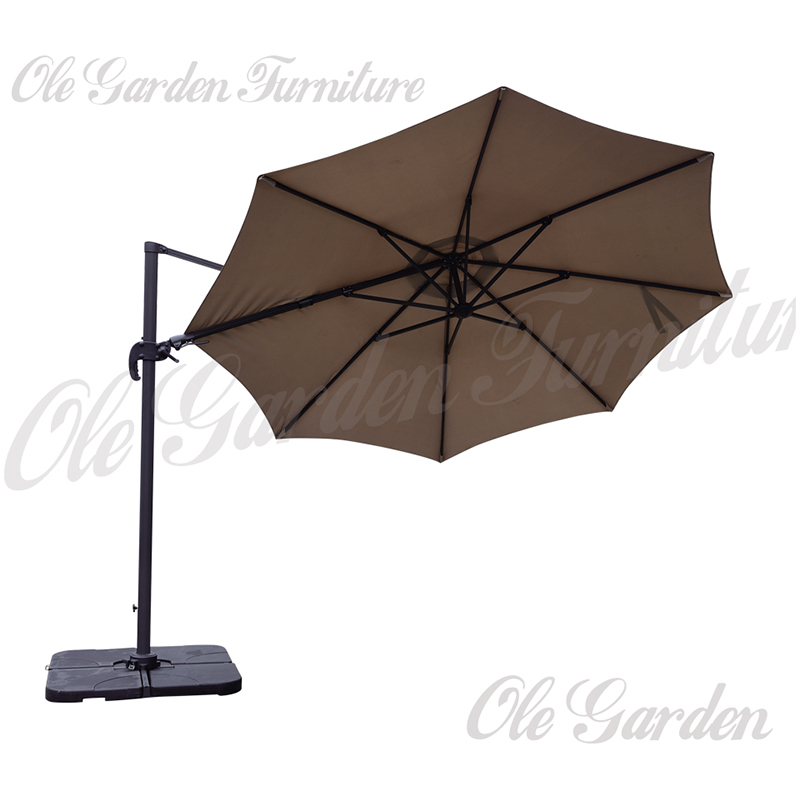
If you do keep an umbrella, choose a model with a base rated well above the canopy size, and take the canopy down at the end of the day. Cantilever and banana parasols look elegant, but they need more ballast than a straight pole, not less.
Zoning, Storage and Small Habits
Grouping heavy pieces along the windward side of a patio creates a natural barrier and gives lighter chairs somewhere sheltered to sit. A storage box close to the seating area makes it easy to put cushions away in a hurry instead of leaving them out to flap all night. Our YL820 outdoor patio storage container box is sized to hold cushions, covers and small accessories, which keeps them dry and stops them becoming airborne.
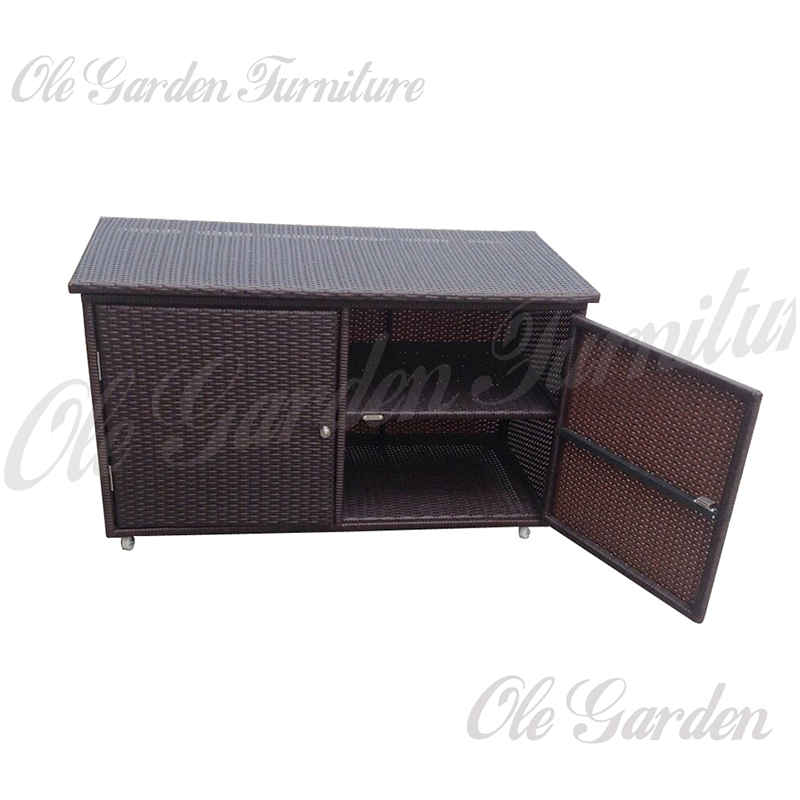 YL-820 Outdoor Patio Storage Container BoxCompact PE rattan storage box for cushions, covers, and small accessories, with a load-bearing top and small footprint for patios and balconies.View Product →
- Face the seating towards the view but behind a screen, planter or hedge.
- Anchor pergolas, screens and large planters to a solid base.
- Weight umbrella bases well above the minimum rating for the canopy.
- Store loose cushions, trays and covers at the end of each day.
- Keep a clear path so furniture can be moved indoors quickly before a storm.
Looking After Heavy Furniture Season After Season
Heavy pieces do not need much attention, but the small jobs are what keep them stable for a decade rather than a couple of years.
- Check bolts and joints at the start and end of each season, and tighten anything that has worked loose.
- Touch up scratches on painted iron or steel before rust gets a hold.
- Rinse salt and sand off frames if you live near the coast.
- Clean and dry cushions before storing them so mould does not set in.
- Re seal stone or concrete tops every year or two so water cannot freeze inside them.
If you would like a closer look at keeping lounge chairs comfortable and structurally sound, we have written a short guide on choosing and caring for outdoor lounge chairs that covers the details.
Wind is rarely something you can remove from a site. It is something you design around. Choosing heavier frames, sensible materials, anchored shade and a proper place to store cushions will do more for the life of a patio than any single purchase. It is a slower way to furnish a garden, but it means the furniture is still exactly where you left it next spring.
We build outdoor furniture for customers who need pieces that hold up in real weather, from iron sofa groups and dining sets to louvered pergolas, parasols and storage. If you would like to talk through materials, weights and configurations for a breezy site, you are welcome to browse our full outdoor furniture range or get in touch with our team directly.