What Size Outdoor Dining Set Do You Need for Your Space?
Selecting the right outdoor dining set starts with one fundamental question: how much space do you actually have, and how many people do you need to seat? Getting the size wrong in either direction creates problems that no amount of styling can fix. An outdoor dining set that is too large crowds the patio and leaves no room to move; one that is too small leaves guests feeling cramped and the space looking underwhelming. Taking the time to measure carefully and think through your typical usage scenarios before purchasing is the single most valuable thing you can do to ensure long-term satisfaction with your choice.
The first measurement to establish is your available outdoor floor area. Do not measure to the walls or fence line measure to the usable space, accounting for any fixed features like planters, steps, door swings, or built-in elements that cannot be moved. From that usable footprint, subtract a minimum clearance of 90 centimeters (around 36 inches) on all sides of the outdoor dining set. This clearance is necessary for chairs to be pulled back from the table comfortably and for people to walk around the furniture without squeezing past. What remains after that subtraction is the maximum footprint your outdoor dining set can occupy.
Matching Table Shape to Space Shape
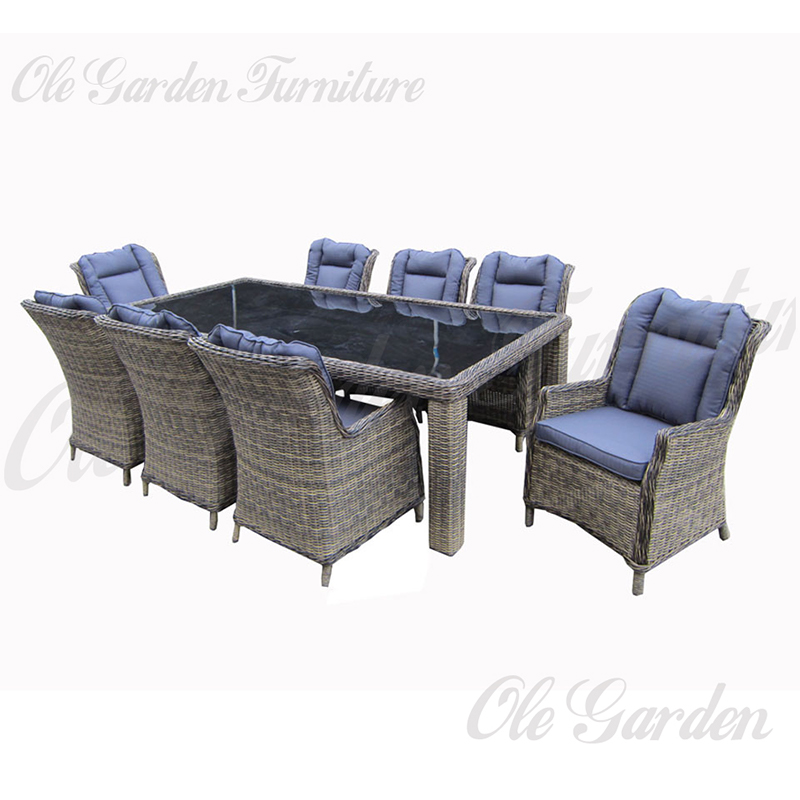
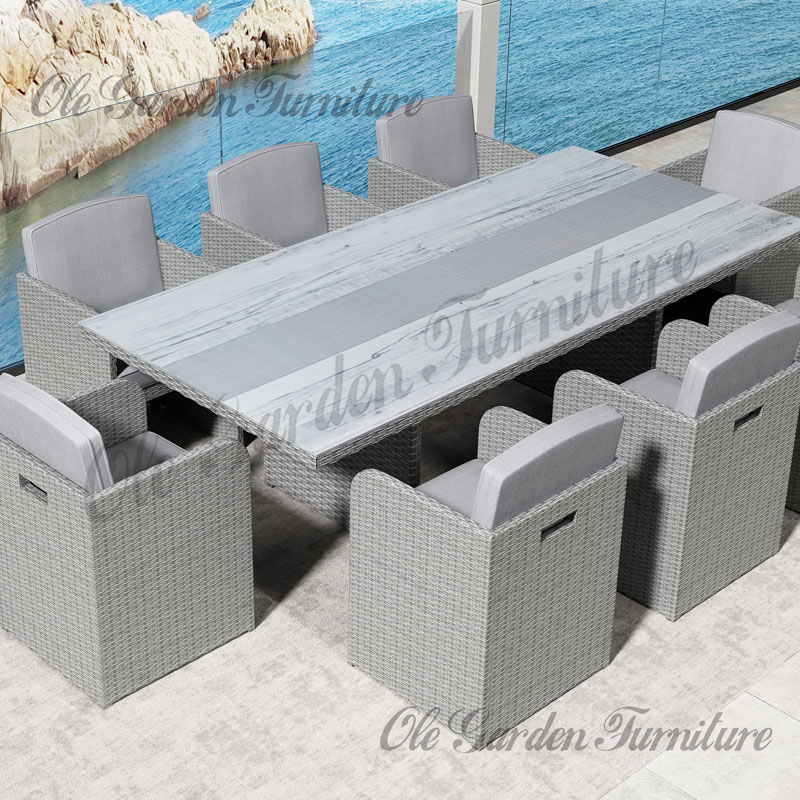
The shape of your outdoor dining set table should correspond logically to the shape of your outdoor space. Rectangular outdoor dining sets are the most versatile and the most widely available they seat the greatest number of people relative to their footprint and work well in long, narrow spaces such as terraces, balconies, or side patios. A standard rectangular outdoor dining set for six people typically measures around 160 to 180 centimeters in length and 90 centimeters in width, while an eight-person version extends to approximately 200 to 220 centimeters.
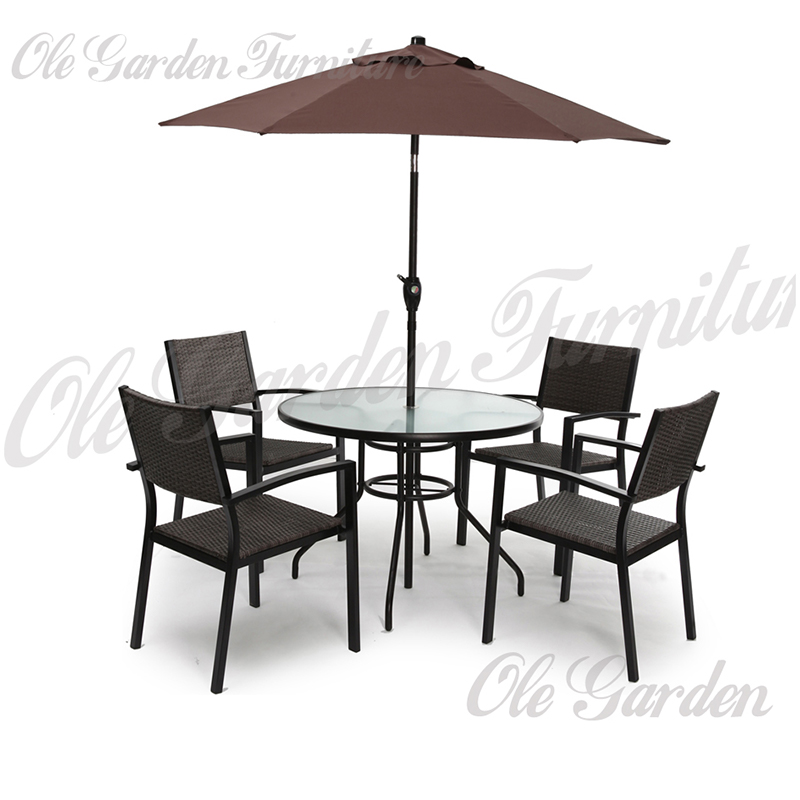
Round and square outdoor dining sets suit square or compact spaces particularly well. A round outdoor dining set encourages conversation naturally because every seat has an equal sightline to every other, and there are no end seats that feel more or less prominent. Round tables in the 120 to 135 centimeter diameter range comfortably seat four people; a 150 centimeter round table can accommodate five to six. Square outdoor dining sets work well for groups of four and create a balanced, symmetrical layout that suits contemporary garden design aesthetics. For larger gatherings on an irregular or generously sized terrace, an extendable rectangular outdoor dining set one with a fold-out or insert leaf that increases the table length offers the flexibility to seat four on an ordinary evening and expand to eight or ten for a dinner party.
Seating Capacity Reference Table
The following table provides a practical size reference for the most common outdoor dining set configurations, matching table dimensions and shapes to recommended seating capacities and the minimum patio space required to accommodate them comfortably.
| Table Shape |
Table Dimensions |
Seating Capacity |
Minimum Patio Area Required |
Best For |
| Round |
Ø 90 – 100 cm |
2 – 3 people |
270 × 270 cm |
Small balconies, bistro settings |
| Round |
Ø 120 – 135 cm |
4 people |
310 × 310 cm |
Compact patios, intimate dining |
| Round |
Ø 150 cm |
5 – 6 people |
340 × 340 cm |
Square terraces, social dining |
| Square |
80 × 80 cm |
2 – 4 people |
270 × 270 cm |
Small patios, café-style layouts |
| Rectangular |
160 × 90 cm |
6 people |
350 × 280 cm |
Medium patios, everyday family dining |
| Rectangular |
200 × 90 cm |
8 people |
390 × 280 cm |
Large terraces, entertaining |
| Rectangular (extendable) |
160 – 220 × 90 cm |
6 – 10 people |
400 × 280 cm |
Versatile spaces, frequent hosting |
Chair Style and Its Effect on Space Requirements
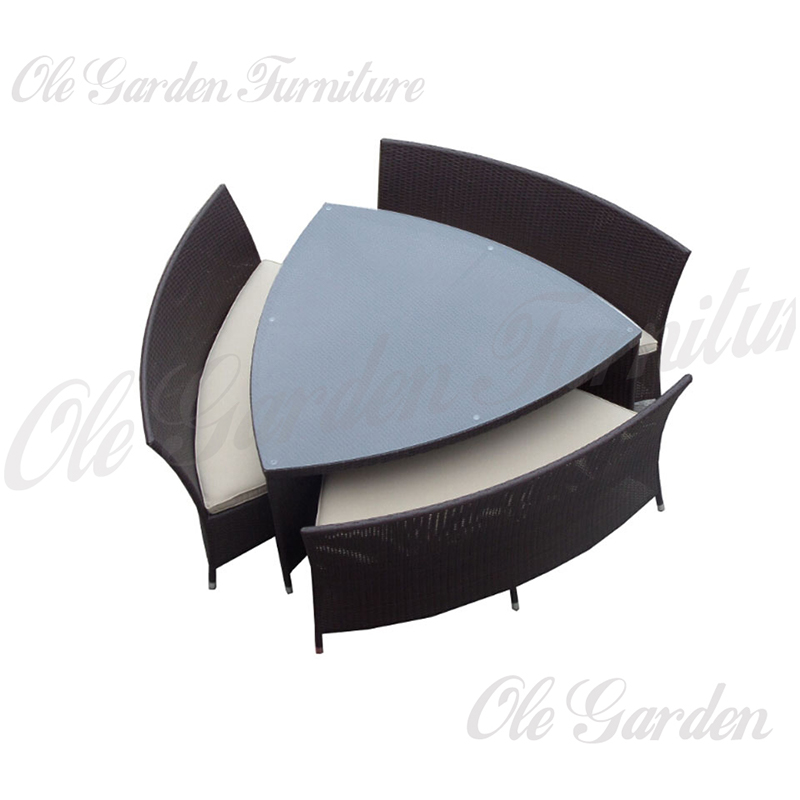
The chairs included in an outdoor dining set affect the overall space requirements almost as much as the table itself. Chairs with arms extend further from the table edge than armless chairs and require more clearance when pulled back. Stackable or foldable chairs are a significant advantage in smaller spaces they can be stored compactly when not in use, allowing the patio to function as a flexible multi-purpose area rather than being permanently dominated by seating. Bench seating on one or both sides of a rectangular outdoor dining set is another space-efficient option, as benches slide fully under the table when not in use and can accommodate flexible numbers of people without the fixed-per-seat footprint of individual chairs.
Bar-height and counter-height outdoor dining sets with taller tables and stools rather than standard-height chairs are increasingly popular choices for compact outdoor spaces, rooftop terraces, and settings adjacent to outdoor kitchens or barbecue areas. The taller format creates a more casual, social atmosphere and often requires a smaller floor footprint per seat than a conventional dining height set, making it a practical solution for urban outdoor spaces where every square meter counts.
Thinking Beyond the Table: Complete Outdoor Dining Set Planning
A well-planned outdoor dining area is more than just a table and chairs. Consider whether you want a garden umbrella over the outdoor dining set for shade and rain protection if so, the umbrella base or cantilever support structure needs to be factored into the space plan from the outset. Think about the surface under the outdoor dining set: furniture legs on uneven decking or stone can create instability, and certain leg designs are better suited to specific surface types than others. Consider whether accent lighting string lights, lanterns, or integrated LED will be added above or around the dining area, and whether there is a logical path for any electrical supply needed.
Viewing the outdoor dining set as the centerpiece of a complete outdoor living zone rather than an isolated furniture purchase leads to better space planning decisions and a more cohesive, enjoyable result. Taking the time to sketch out a simple floor plan before ordering, placing the table dimensions on paper in the actual space, saves considerable frustration and expense compared to discovering a size or clearance problem only after delivery.
What Is the Most Weather-Resistant Outdoor Dining Set?
An outdoor dining set is an investment that will be exposed to the elements every day it spends outside sun, rain, humidity, wind, temperature swings, and in some climates, frost and snow. Choosing a material and construction that can genuinely withstand your local weather conditions is just as important as choosing the right size and style. The market offers outdoor dining sets in a range of materials, each with distinct strengths and limitations that make them more or less suitable depending on your climate, your maintenance tolerance, and how long you expect the furniture to last.
Aluminum: The Low-Maintenance All-Weather Choice
For weather resistance combined with minimal maintenance, aluminum is the standout material for outdoor dining set frames. Aluminum does not rust ever because it forms a stable oxide layer on its surface that prevents further corrosion, even when the protective powder coat is scratched or chipped. This property makes aluminum outdoor dining sets essentially immune to the moisture-related deterioration that affects steel, iron, and wood over time, and it makes them an ideal choice for coastal environments where salt air aggressively corrodes ferrous metals.
Aluminum outdoor dining sets are also significantly lighter than equivalent steel or iron designs, which makes them easy to move, store, and rearrange. Despite their light weight, quality aluminum frames provide excellent structural rigidity through careful engineering of wall thickness and joint design. Powder-coated finishes on aluminum outdoor dining sets are available in a wide range of colors and textures, and they resist fading and peeling far better than painted finishes on other metals. For consumers who want a set they can leave outside year-round with minimal attention, an aluminum-framed outdoor dining set is the most practical long-term choice.
Synthetic Rattan: Style and Weather Performance Combined
Synthetic rattan woven PE fiber over an aluminum or steel frame has become one of the most popular choices in the outdoor dining set market, and for good reason. A quality rattan dining set combines the warm, organic aesthetic of traditional wicker with the weather resistance of modern synthetic materials, creating products that look sophisticated and feel comfortable while standing up well to outdoor conditions.
The key word in that description is "quality." Synthetic rattan outdoor dining sets vary enormously in PE fiber grade and UV stabilization. Budget products use thin, poorly stabilized fiber that fades, cracks, and becomes brittle after one or two seasons of sun exposure. Quality synthetic rattan uses thicker, UV-stabilized PE fiber often in a round or half-round profile for comfort and durability that retains its color and flexibility for significantly longer. When evaluating a rattan dining set, look for consistent, tight weaving with no loose ends, check that the underlying frame is aluminum rather than steel if weather resistance is a priority, and ask specifically about UV stabilization in the fiber specification. A well-made rattan dining set from a reputable manufacturer will outlast budget alternatives many times over and maintain its appearance through seasons of outdoor use.
Steel and Iron: Solid But Requiring More Care
Steel and iron outdoor dining sets offer a weight and solidity that some consumers specifically prefer they feel anchored and substantial in a way that lighter aluminum pieces do not. Cast iron in particular has a classic, ornate aesthetic that suits traditional garden styles and period property settings. The trade-off for this material quality is a greater susceptibility to rust and corrosion when the protective coating is compromised.
A steel or iron outdoor dining set in good condition with intact powder coating and no exposed bare metal will perform well outdoors for many years. But the coating will eventually chip from normal use and handling, and any exposed metal in a wet environment will begin to rust. Regular inspection, prompt touch-up of any coating damage with rust-inhibiting primer and matching paint, and annual application of a protective wax or oil treatment extend the service life of steel and iron outdoor dining sets significantly. In climates with harsh winters or high-salinity coastal air, bringing steel or iron furniture indoors or under cover for the off-season is strongly advisable.
Teak and Hardwood: Natural Beauty With Investment Requirements
Teak and other tropical hardwoods offer genuine natural beauty and inherent weather resistance through their high oil content, which makes them naturally resistant to moisture, rot, and insect damage without treatment. A quality teak outdoor dining set left untreated outdoors will weather to an attractive silver-grey patina over time, requiring only an annual clean to maintain its structural integrity. Treated with teak oil annually, the original warm golden-brown color can be preserved.
The investment required for quality teak is significant genuine Grade A teak from sustainable sources commands a price premium that puts it at the top of the outdoor dining set market. Maintenance, while not intensive, is not zero: annual cleaning and periodic oiling are required to maintain appearance, and the furniture is heavy and not easily moved or stored. For consumers who value natural materials, long-term durability, and a classic aesthetic, teak repays its initial investment over decades of use. For those who prioritize low maintenance and flexibility, aluminum or synthetic rattan will be more practical choices.
Choosing Based on Your Specific Climate
The best material for a weather-resistant outdoor dining set depends significantly on the specific conditions in your location. The following guidance summarizes the most practical choices by climate type. In hot and sunny climates Mediterranean, desert, or subtropical environments UV resistance is the primary concern. Aluminum frames with UV-stabilized synthetic rattan weave, or powder-coated aluminum with fade-resistant cushion fabrics, perform best. In wet and temperate climates northern Europe, Pacific Northwest corrosion resistance and drainage are most important. Aluminum frames are strongly preferable to steel or iron, and synthetic rattan weaves that allow water to drain freely through the structure are advantageous. In coastal and salt-air environments, aluminum is the only metal frame material that will resist corrosion without intensive ongoing maintenance. Avoid bare steel and iron in these conditions without a rigorous maintenance commitment. In climates with cold winters and freeze-thaw cycles, ensure that any synthetic rattan fiber is specified for cold-temperature flexibility, and consider whether cushions and covers will be stored indoors during the off-season.
Why Manufacturing Quality Matters for Long-Term Weather Resistance
The weather resistance of any outdoor dining set is ultimately determined not just by the materials specification but by the quality of manufacturing how precisely the components are joined, how thoroughly the frame is prepared before coating, how consistently the fiber is attached to the frame, and how rigorously the finished product is inspected before it leaves the factory. Sourcing from established manufacturers with genuine outdoor furniture expertise and professional quality control processes makes a meaningful difference to long-term performance.
Shaoxing OLE Leisure Products Co., Ltd. is among the China Outdoor Dining Sets Manufacturers operating in this space, offering a comprehensive range of outdoor dining sets in rattan, aluminum, and iron across multiple style configurations. As experienced Rattan Dining Set Suppliers, they serve international markets with shipping from Ningbo and Shanghai ports, standard production lead times of 35 to 60 days, and a regularly updated warehouse stock list for buyers who need ready-to-ship items at competitive pricing. Understanding the production capabilities and quality standards of your supplier not just the product specification on paper is an important part of ensuring that the outdoor dining set you receive performs as well in your garden as it looks in the catalog.
Whether you are equipping a private terrace, a hotel pool deck, a restaurant garden, or a commercial hospitality venue, investing in a well-specified outdoor dining set from a reliable manufacturer and caring for it appropriately for your climate is the most reliable path to outdoor dining furniture that looks good, performs consistently, and justifies its cost over many seasons of use.

 English
 中文简体
中文简体 +86-15067563447
 jenny@yoolo.com